Swiss Design
Form follows clarity.
Grid before decoration.
Less, but better.
— A glimpse into the International Typographic Style
Origin
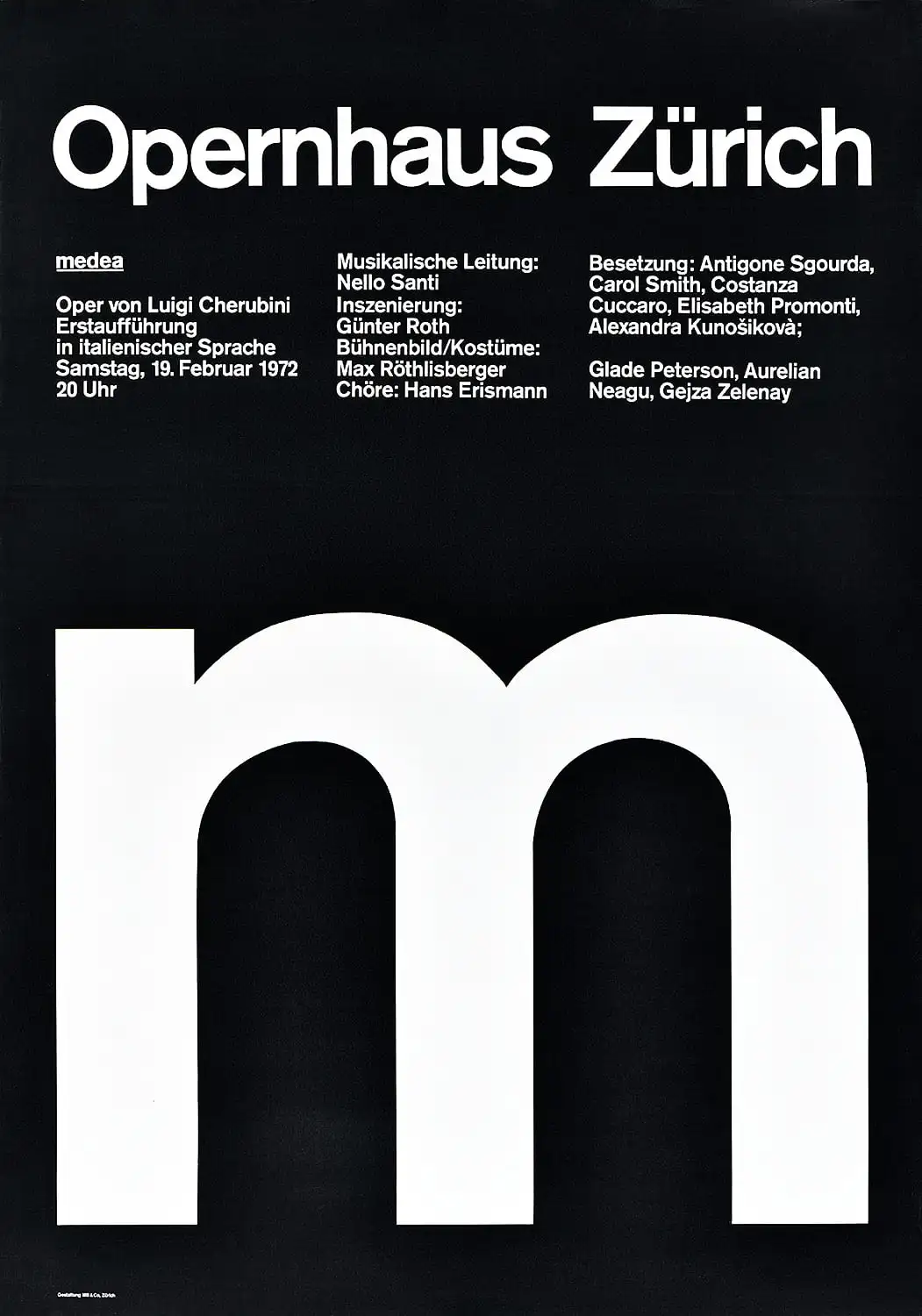
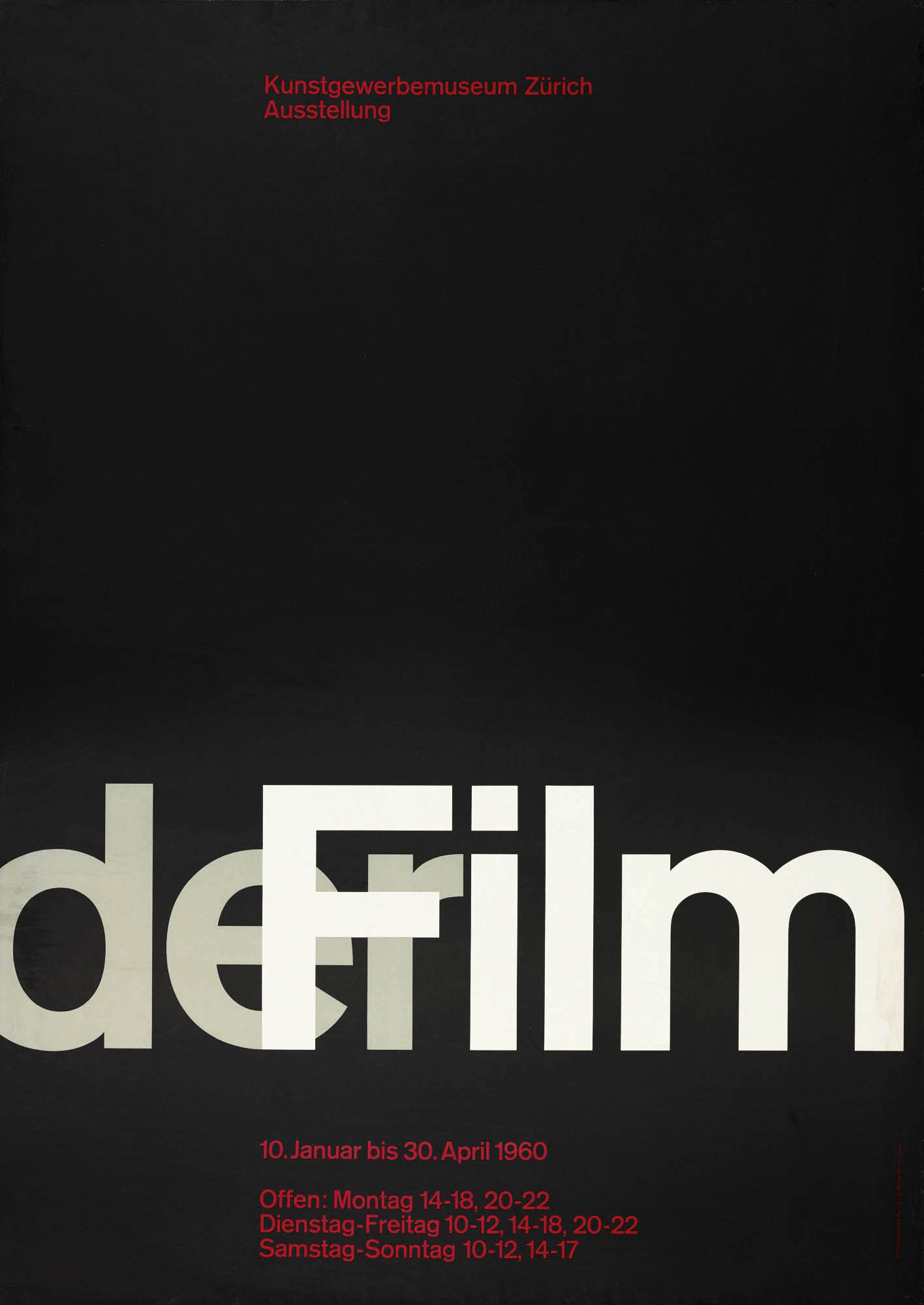
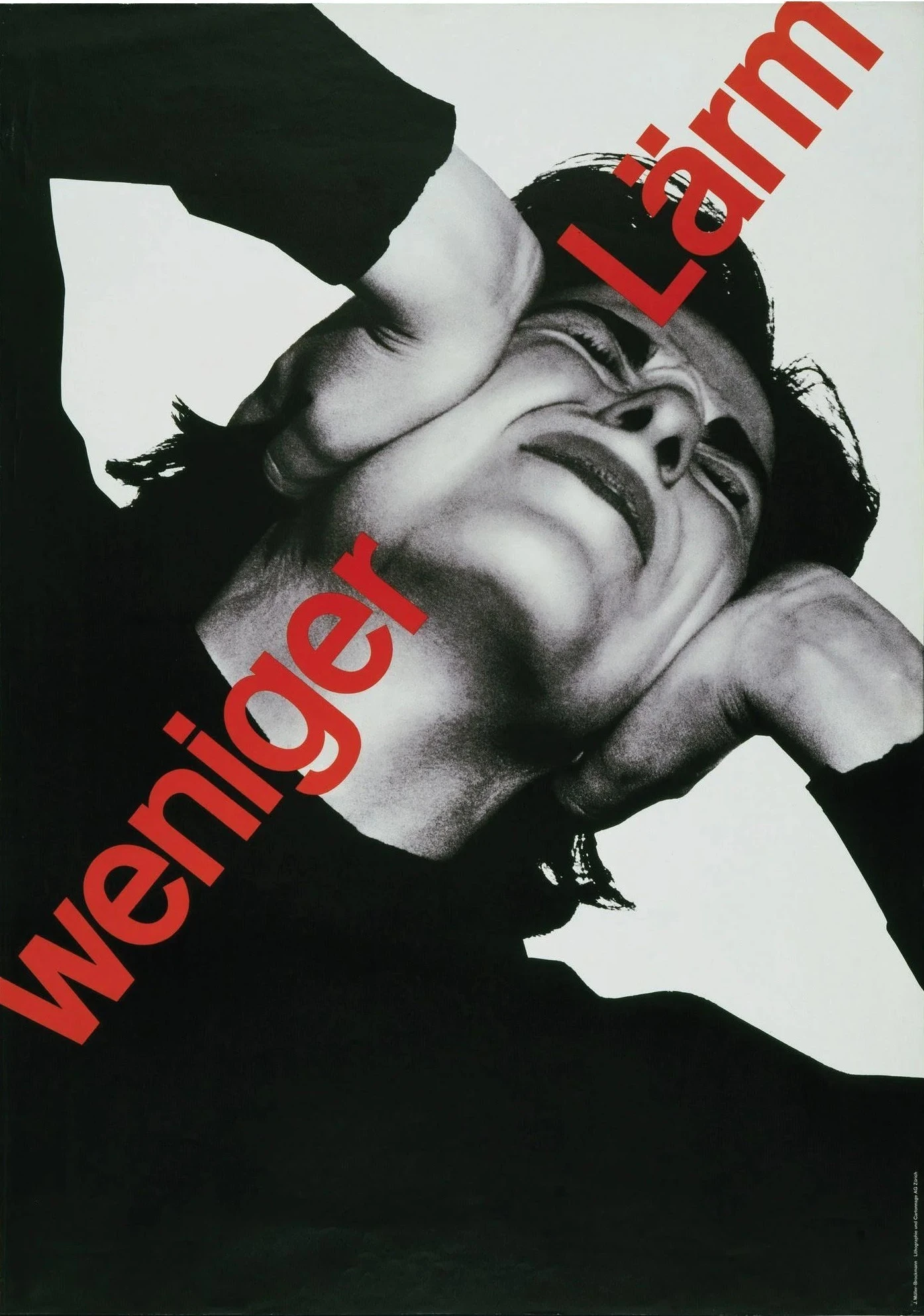
Born in Switzerland in the 1950s, the International Typographic Style emerged from a demand for objectivity and clarity. Designers moved away from decorative approaches toward communication that felt universal, structured, and neutral.
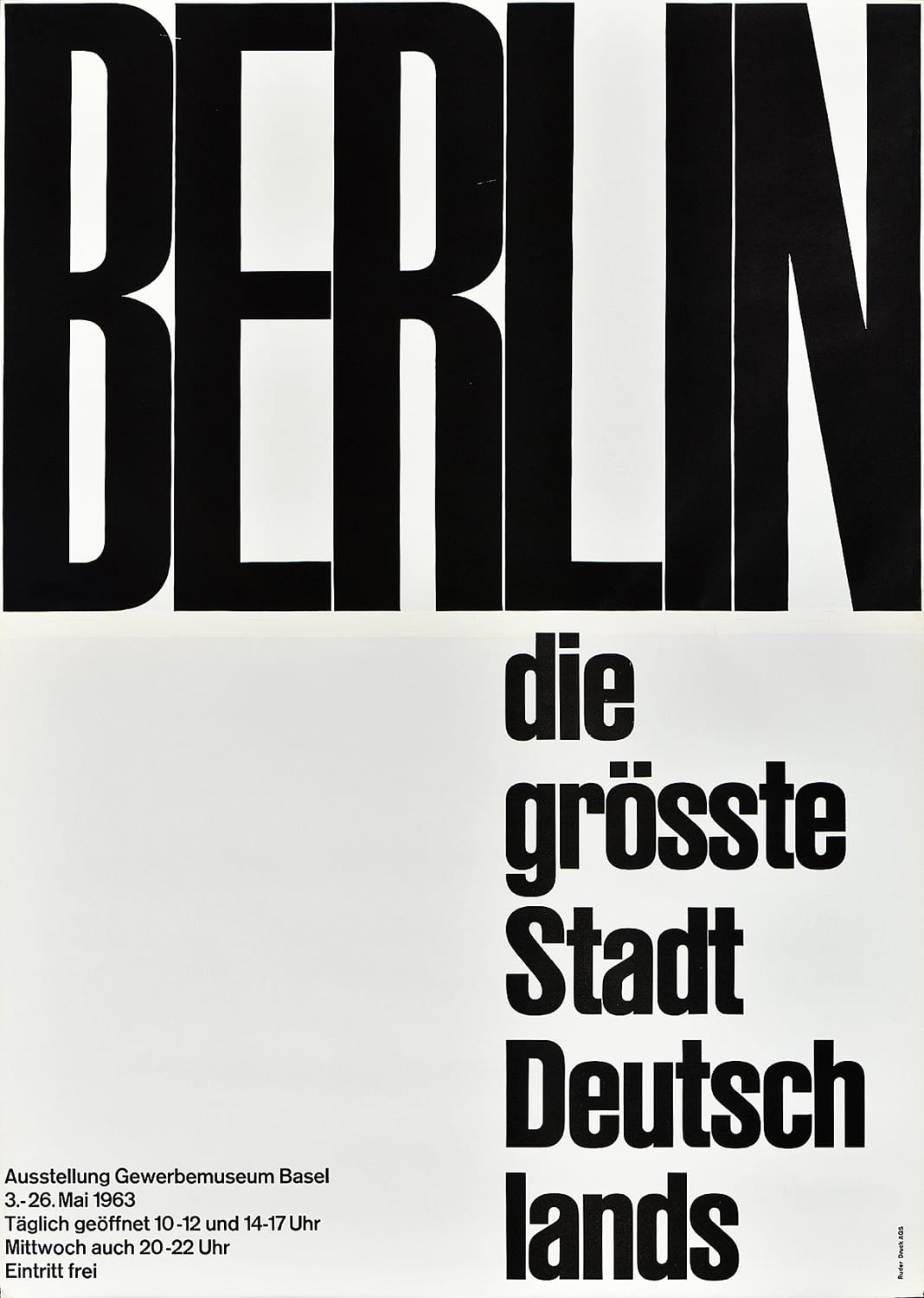
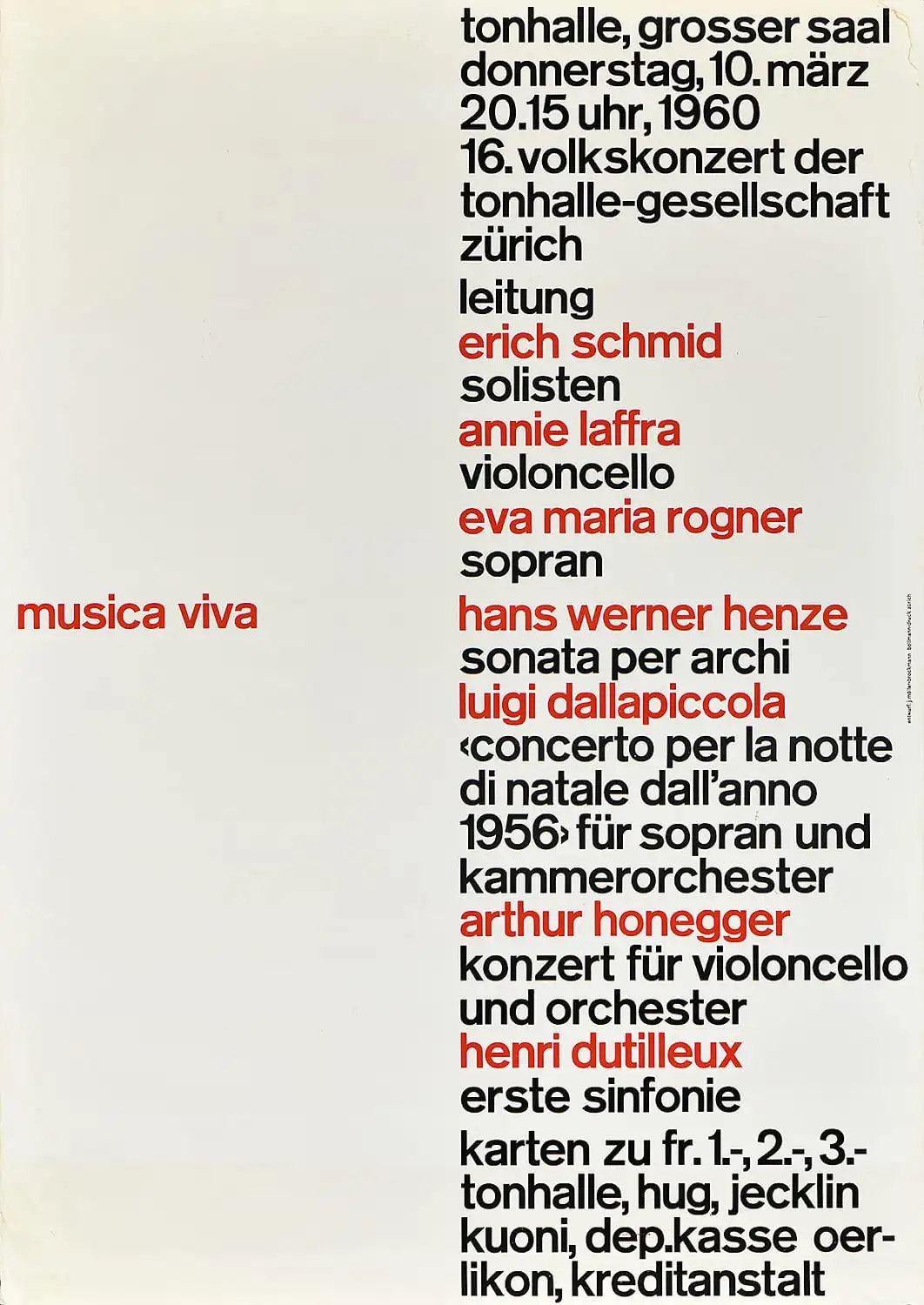
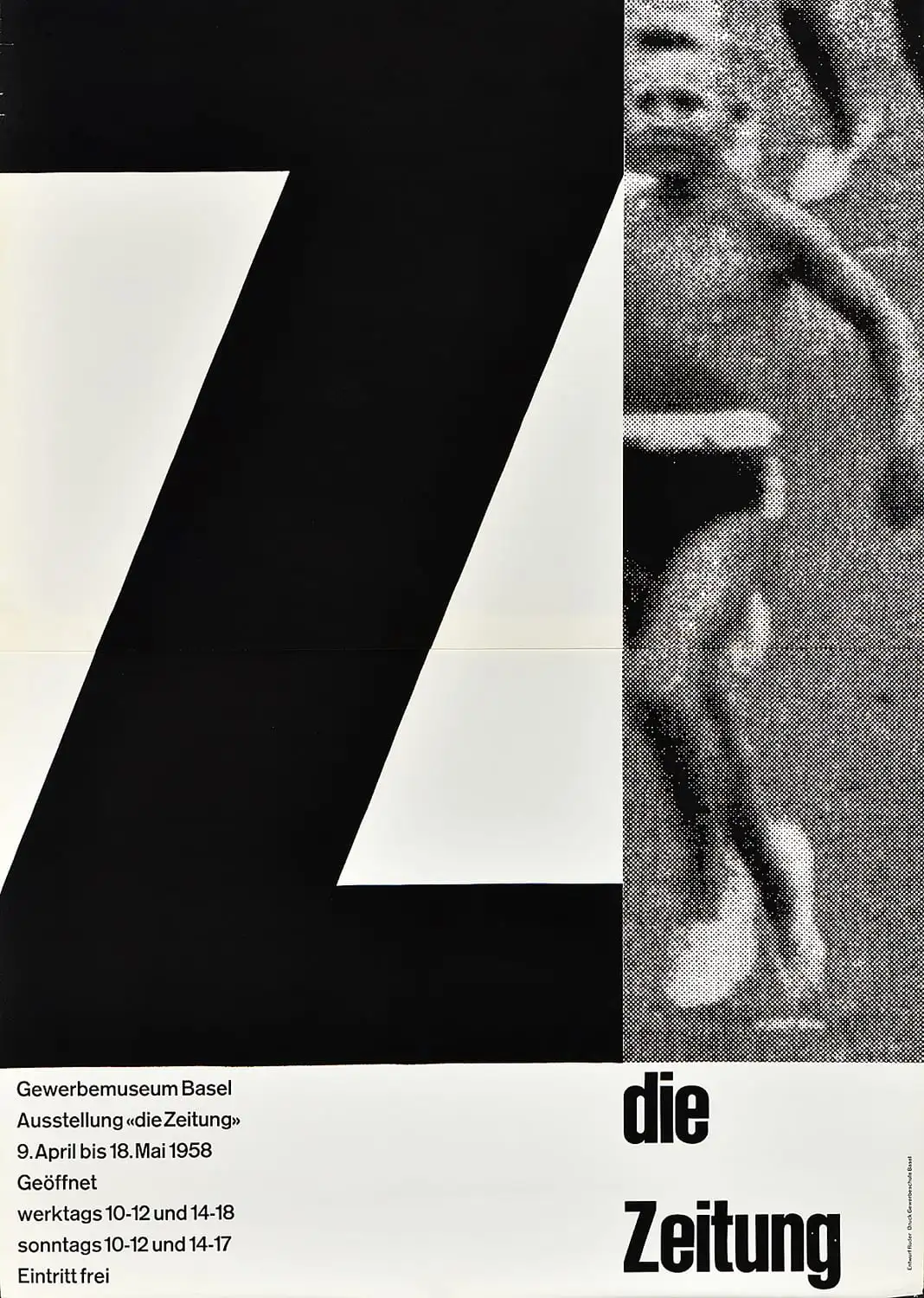
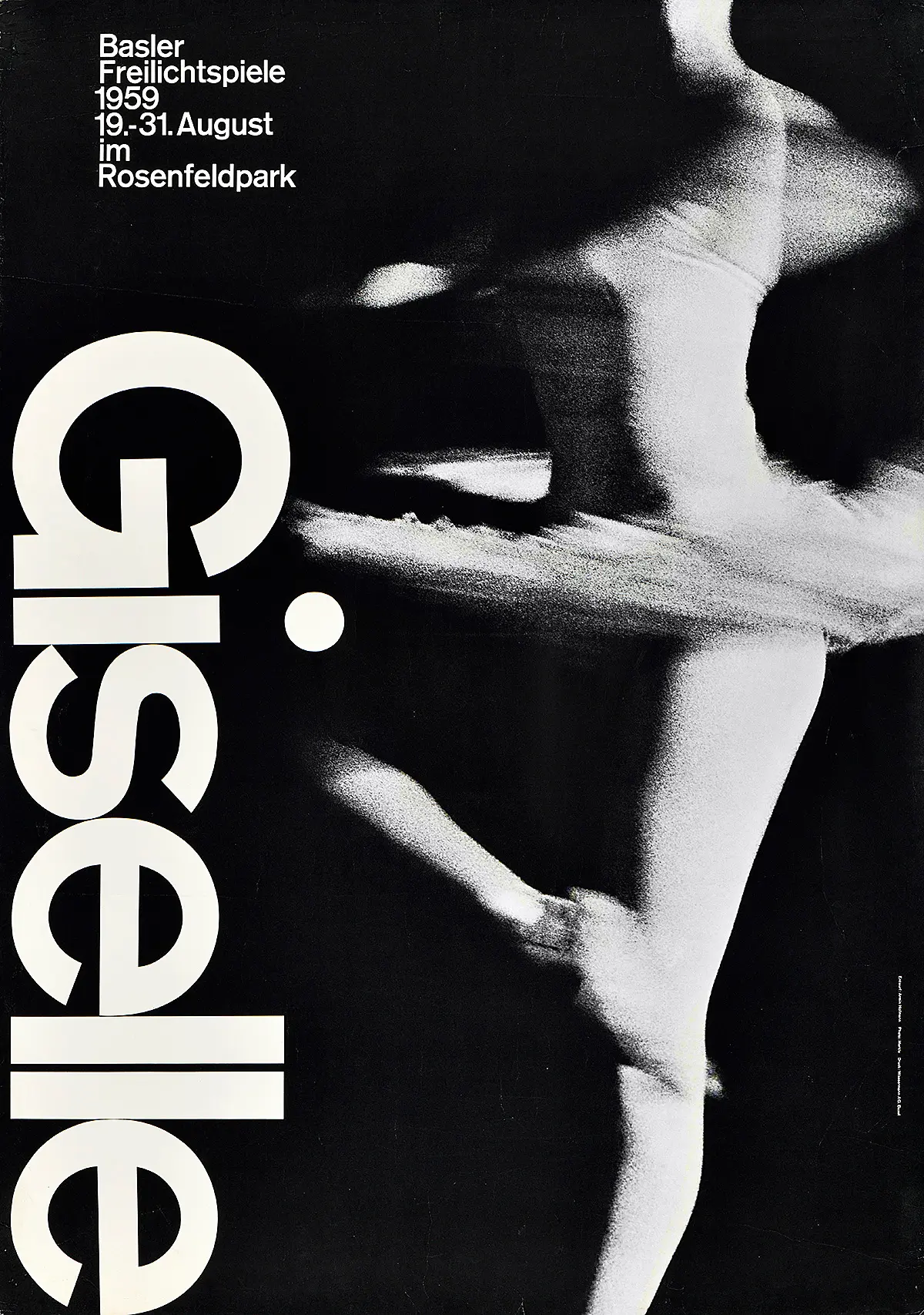
Shaped by Müller-Brockmann and Armin Hofmann, the movement established a visual language built on grid systems, asymmetrical layouts, and sans-serif typography. Decades later, it remains one of the most disciplined design systems ever developed.
Influences
The International Style did not emerge in isolation. It was formed at the intersection of several early-20th-century movements that shared a common belief: that simplified geometric form and rational structure could communicate more clearly than ornamentation.
Three movements in particular laid its foundation, each contributing a distinct principle that Swiss designers would later refine into a unified, disciplined system.
Constructivism & Suprematism
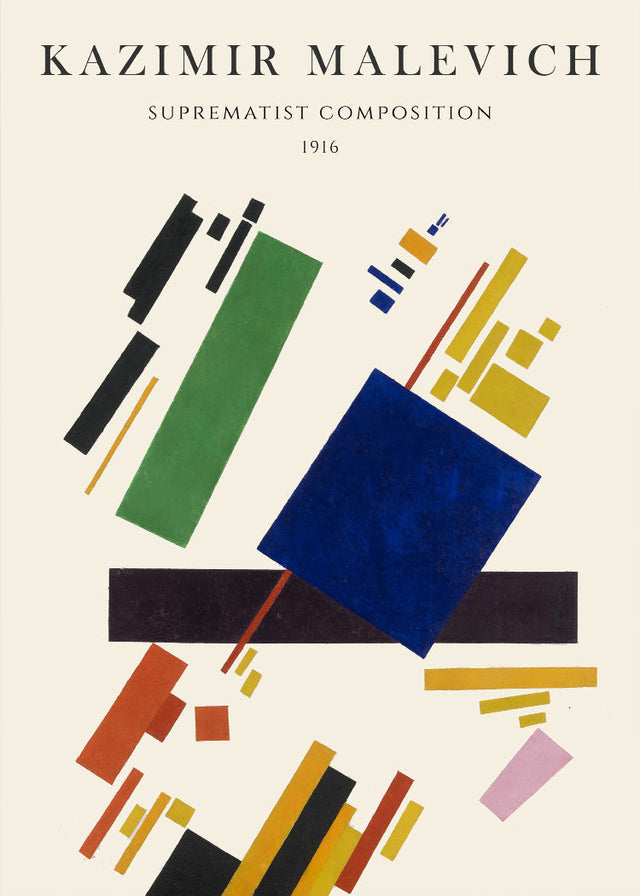
Inspired by the 1917 revolution, Russian artists such as Kazimir Malevich and El Lissitzky used simplified geometric shapes and strict sans-serif typography, arranged in bold, unconventional configurations.
De Stijl
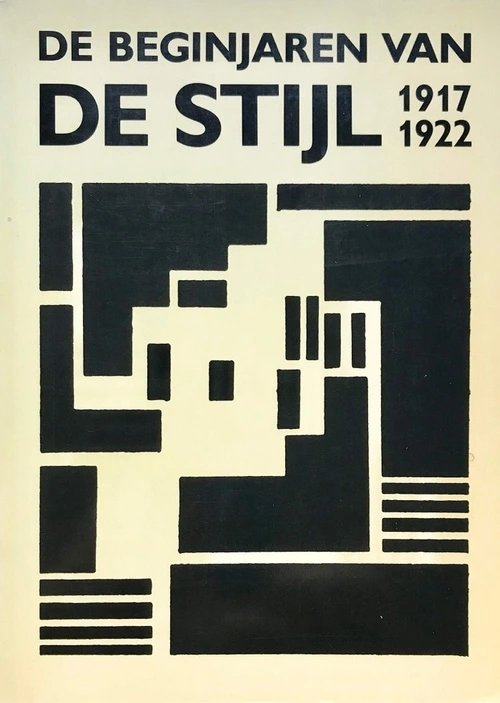
Founded in Holland by Theo van Doesburg and Piet Mondrian, De Stijl spanned architecture, painting, and graphic design, all rooted in mathematics and modular grids as tools for composition.
Bauhaus
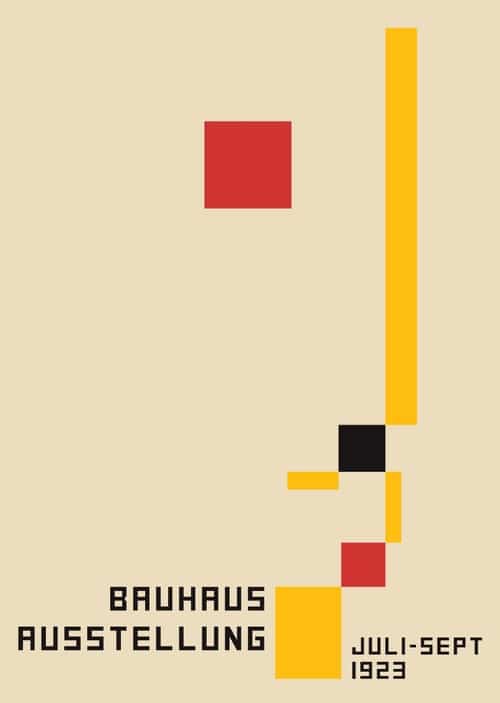
Under Walter Gropius, the Bauhaus fused architectural modernism with elements of Constructivism and De Stijl: simple geometric forms, sans-serif type, and grid-based structure.
Principles
Grid Systems
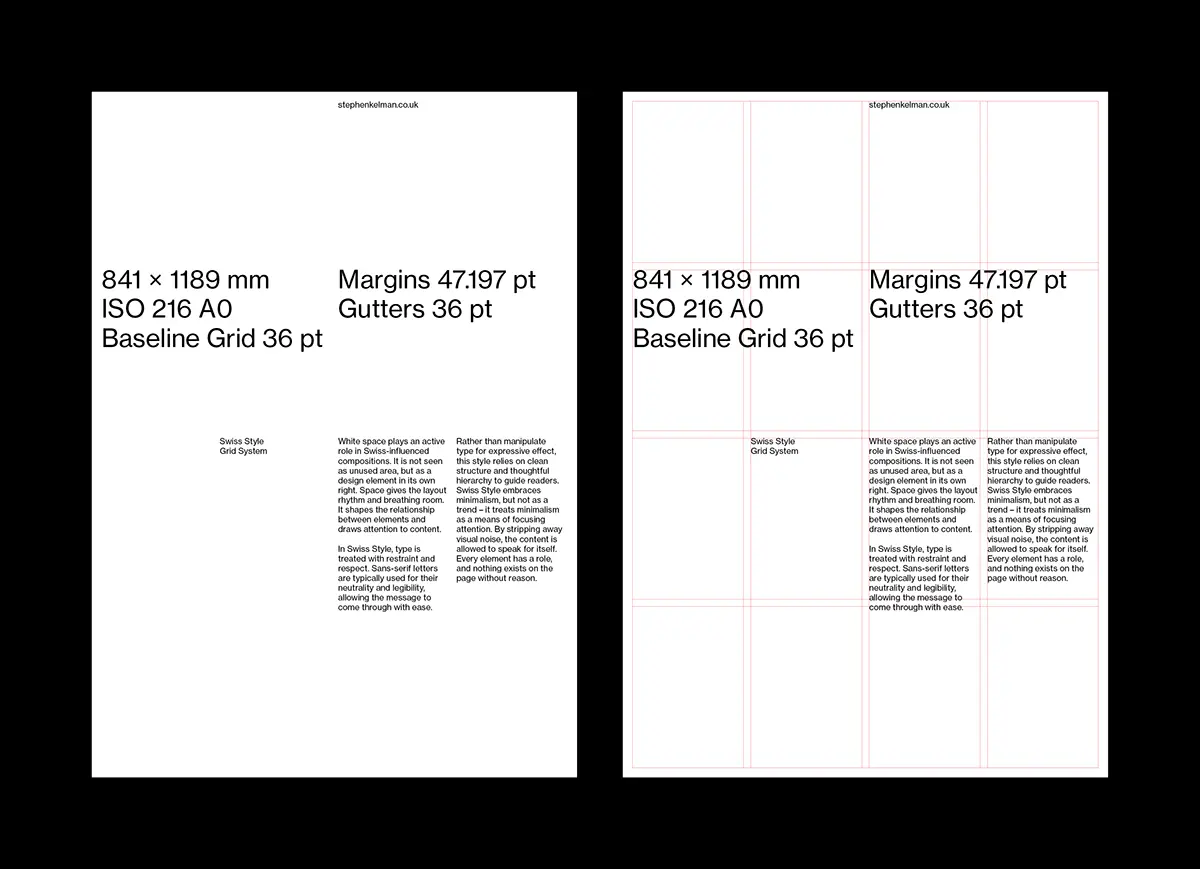
Every element finds its place within a mathematical structure.
Sans-serif Typography
Neutral, objective, without historical baggage.
Asymmetric Layout
Balance through tension, not symmetry.
Objectivity
Content speaks. Decoration stays silent.
Whitespace
Empty space is structure, not absence.
Logical Structure
Layout hints at meaning — how data relates to data.
Grid in Practice
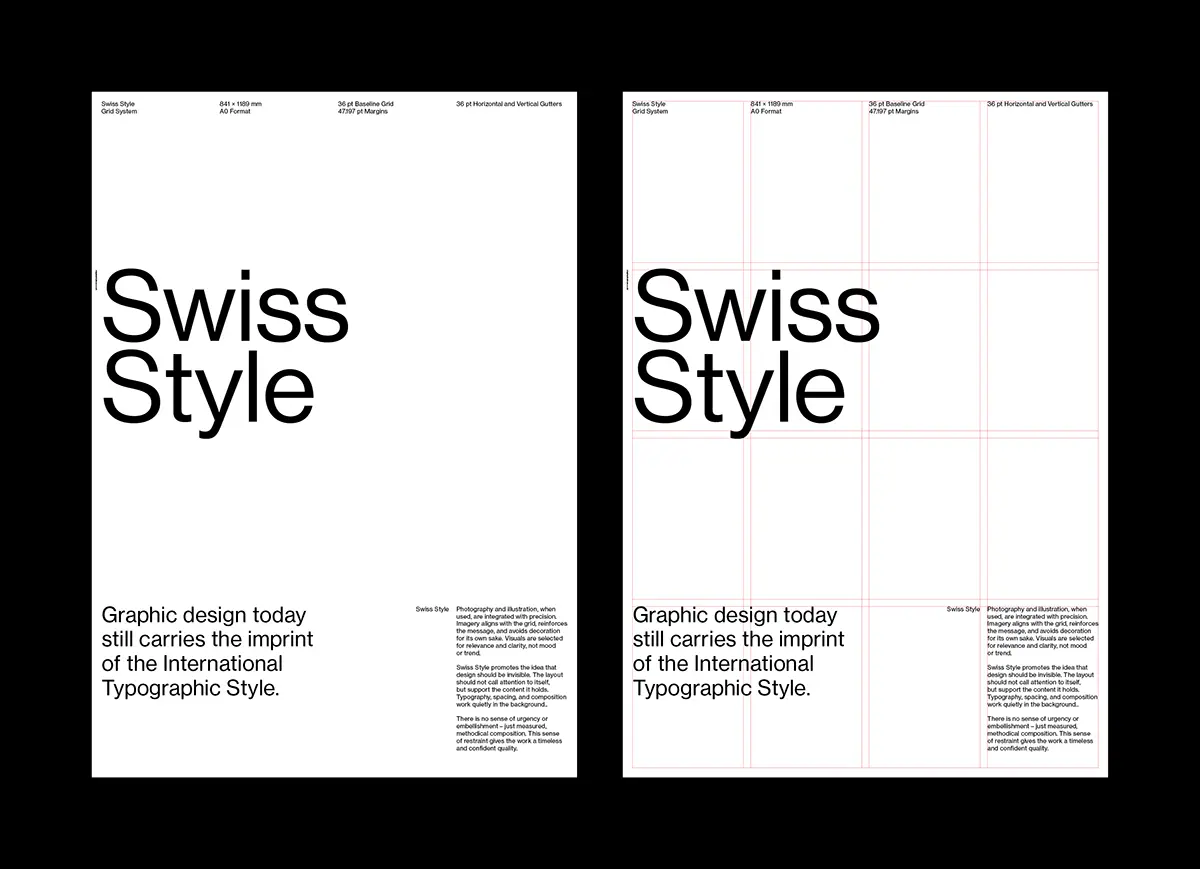
A grid is not a constraint, it is a framework for freedom. Twelve columns. Consistent gutters. Every decision, deliberate.
Typography
Aa
Neue Haas Grotesk
The typeface that defined a movement. Neutral in tone, precise in form, built to communicate, not to decorate.
Masters
A small number of designers and educators shaped the discipline that would come to define Swiss design, building a methodology that still governs visual communication today.
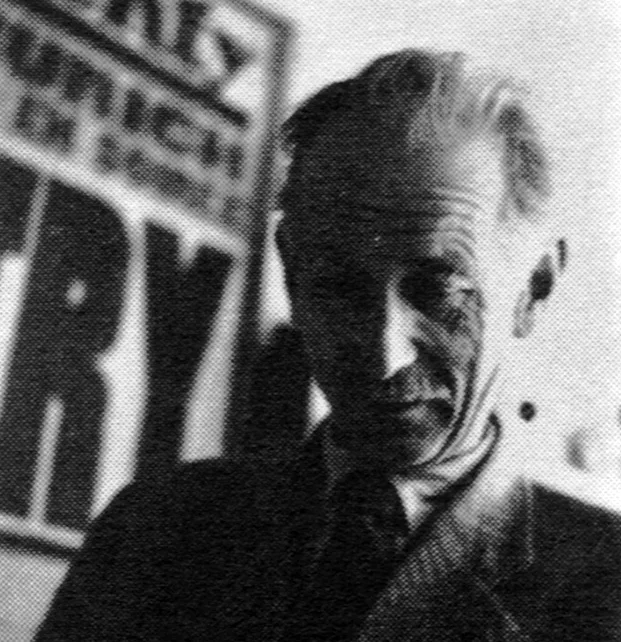
Ernst Keller
Graphic designer and teacher. One of the first to articulate the ideology that would become the Swiss style.
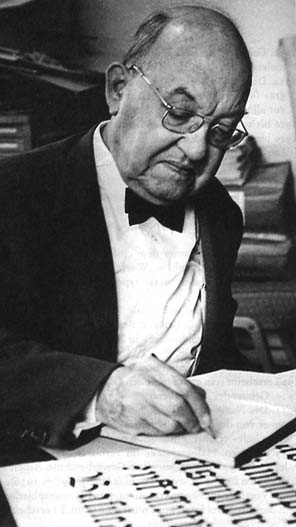
Jan Tschichold
German-born typographer whose 1928 book "The New Typography" became a practical handbook for modern designers.
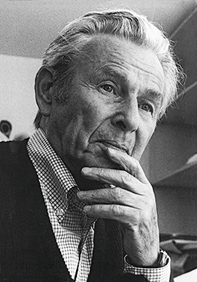
Josef Müller-Brockmann
Swiss graphic designer and educator. Author of "Grid Systems in Graphic Design," the defining text on modular layout.
Reflection
Good design is not about adding more.
It is about removing everything that does not need to be there.
— End of exploration
Danu Pratama |
danu.is-a.dev, 2025